


Piping & Process Engineering
En tant que bureau d’études expert en piping & process, adossé au groupe Boccard, Studybel combine rigueur d’ingénierie, maîtrise des codes internationaux et capacité d’intégration industrielle, afin de réduire les risques techniques, sécuriser les délais et fiabiliser les performances à long terme.
Nos solutions intégrées
1. Ingénierie Piping & Process
Studybel réalise des études de base et de détail pour des réseaux de tuyauterie complexes, de l’élaboration des P&ID à la modélisation 3D complète. Nos prestations incluent la rédaction des spécifications techniques, la production des plans (isométriques, implantation, supports) et la génération des MTO (Material Take-Off) / BOM (Bill Of Material) pour les achats. Cette approche globale garantit des installations robustes et exploitables, adaptées aux contraintes de pression, température et sécurité des unités de production continue ou des environnements qualifiés.
2. Calculs de tuyauterie et conformité réglementaire
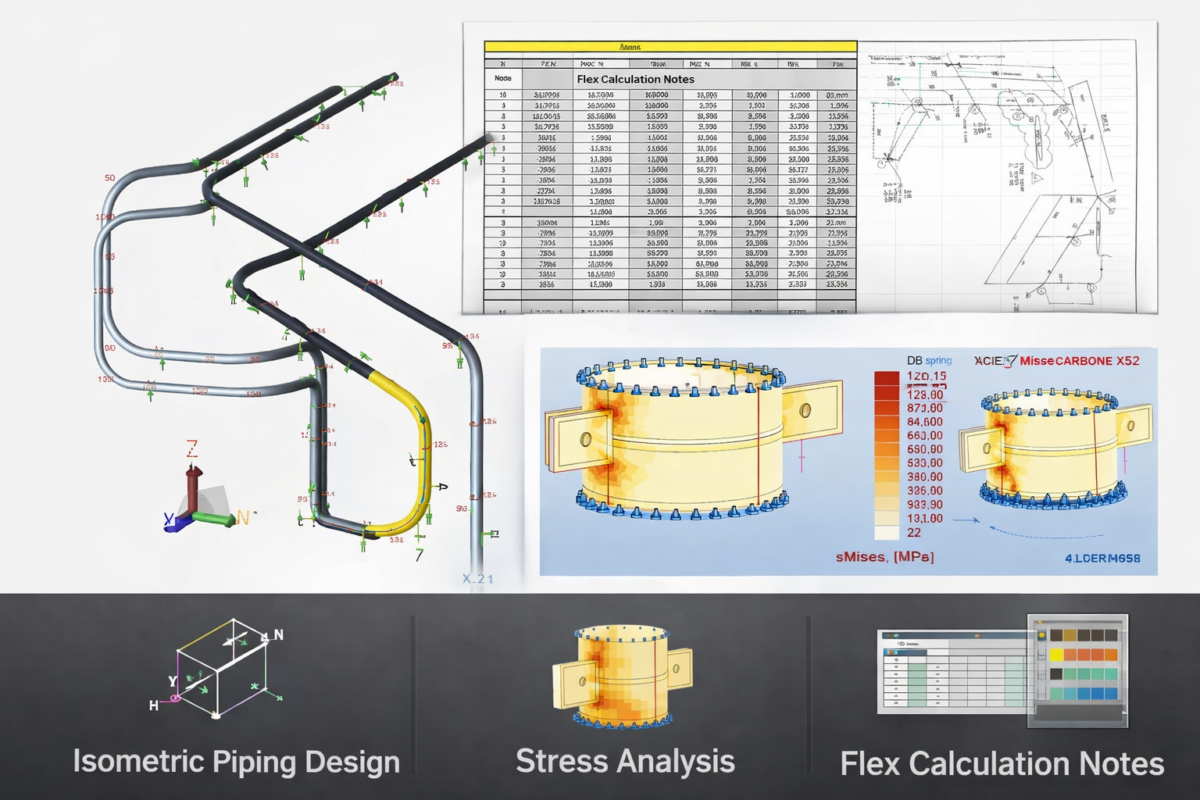
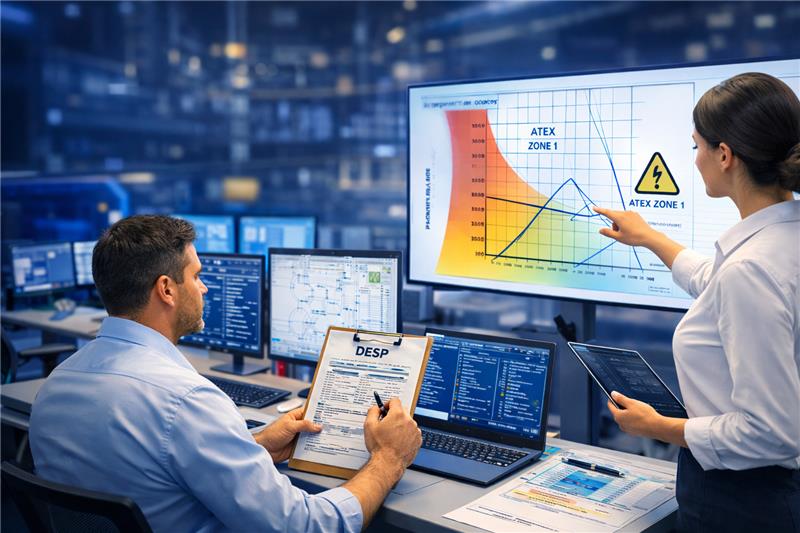
Studybel garantit la fiabilité et la conformité réglementaire de vos installations via des notes de calcul de flexibilité, le dimensionnement des structures métalliques de supports et des analyses hydrauliques complexes. Nos experts assurent la constitution des dossiers DESP (Directive Equipements Sous Pression) et l’intégration des exigences ATEX. Les études sont menées conformément aux principaux codes et normes internationaux, en fonction des exigences techniques et sectorielles.
3. Skids et solutions modulaires de tuyauterie
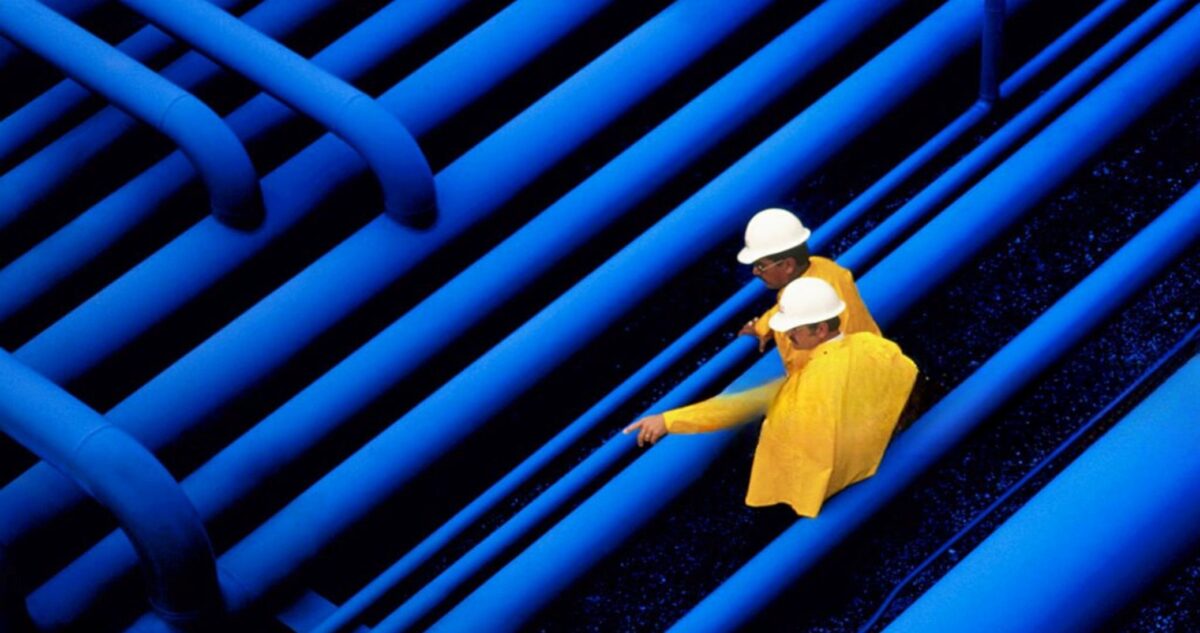
Studybel assure la conception et l’ingénierie piping, et s’appuie sur les capacités industrielles du groupe Boccard pour la fabrication, l’assemblage et le montage des ensembles.
Cette approche permet de :
- fiabiliser la qualité,
- réduire les aléas chantier,
- optimiser les phases de montage et de mise en service.
4. Digitalisation et ingénierie basée sur l’existant
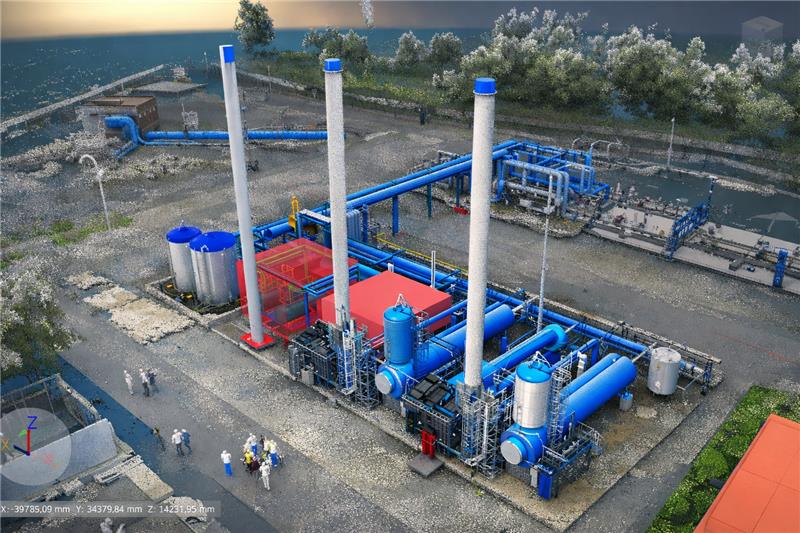
Les relevés laser 3D constituent aujourd’hui une brique standard de l’ingénierie piping Studybel, en particulier pour les projets réalisés sur des sites industriels existants et contraints.
Ils permettent :
- une connaissance précise de l’existant,
- une intégration optimisée des nouveaux réseaux,
- une réduction significative des risques en phase chantier.